Showing posts with label baby development. Show all posts

Tuesday, 10 December 2013

Pets for children – how to choose?

Having pets at home is a good experience for children which helps them to learn responsibility and to learn a good caring attitude towards animals. Before you make this important decision you should do the research and consider what size a pet you can afford to keep in your house or flat and check how to care for your chosen pet. Also, it’s really important to choose insurance for your pet.
Big or small?
It’s a good idea to start with a something small and easy to keep at home. A good example is a rabbit, guinea pig, a mouse, rat or hamster. These pets are generally cheap to keep and also entertaining. You have to only keep them clean, fed and water them and then have great fun with them.
It’s good to do the research about food and special requirements for winter as some pets like a warm and sheltered place when is cold and frosty.
Some of the most common pets are cats and dogs. Cats are safe and easy for a toddler to handle but parents should introduce a child to how to care about a cat, how to feed and how to play safely. Dogs need more daily care as they should be taken for a walk a minimum of once a day and they need some training as well. We need to think about who will take care of that, especially at winter time. Quite often, dogs are the best and reliable ‘humans’ friends and usually there is a strong relationship between dog and family.
Children often like specific animals which they can see in a zoo but they want something cute and cuddly as well. Parents should do the research and make the best decision. It is possible that the exciting time with pets will pass and parents need to accept that they will need to take over. Whatever your decision will be, consider what expectations of a pet your child has or who will look after the pet when you are on holiday.  


This article was written by Personalised Baby Gifts UK.
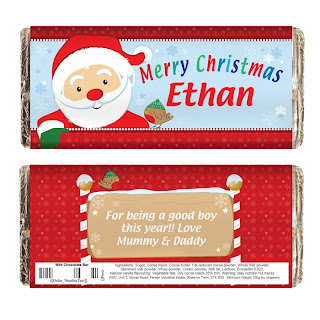
Personalised Baby Gifts


Looking for a perfect Christmas gift? We have a great range of gifts that can be personalised for no extra cost. Visit Personalised Baby Gifts UK to browse our online store.

We also have some lovely items for mums and dads, to help cheer up the exhausted new parents!
 

Thursday, 2 May 2013

Surviving a Newborn – 3 tips for mums and dads


Having a baby is probably one of the most life changing experiences you can go through – everything changes, including your lifestyle, attitude and priorities. These changes can be overwhelming, and advice can be coming thick and fast from all directions – but don’t panic! Everything’s going to be okay. Just follow our tips for surviving a newborn…

Don’t try to be a supermum / superdad


Trying to be perfect every second of every day is a futile goal and is only going to result in stress and possible breakdown. Being perfect simply isn’t possible, and setting realistic goals (like making it to the end of the day) will be much more fruitful than being unrealistic and then feeling like a failure.

Your baby is much less fussy than you are, and will love you as long as you give it affection, food and safety. It doesn’t give two hoots whether it’s wearing a spotless designer onezee or a stained pillowcase.

Don’t expect to be overwhelmed with love at first sight


This is a great cause of anxiety from new parents. Hollywood has painted an unnatural picture of parenthood as being all flowers and perfume, with mums and dads taking one look at the little screeching bundle that pops out and falling instantly in love. But real life is not like that and quite often the bond doesn’t immediately spring into existence. It takes time for parents and child to build a loving relationship, so don’t panic or think you’re doing something wrong is all you feel is exhausted and grumpy. It will come.

Don’t forget about yourself


Newborns are demanding little nuggets and if you’re not careful you can find one will swallow up every minute of every day. But remember that you had a life before it turned up, hopefully with friends, hobbies, that kind of thing. Some people think that giving up your life to tend to your child is the greatest sign of dedication and commitment, but actually it’s not healthy. Instead, having time to yourself and different (non-baby) activities to stimulate your brain will make you more refreshed and appreciative of your time with the little one.
Personalised Baby Gifts UK has a great range of personalised gifts for parents and other family members, such as personalised leather wallets, engraved jewellery and much more.

Tuesday, 5 March 2013

Can a child be brought up genderless?

A couple from Toronto caused a storm last year, when it was reported in newspapers that they were refusing to reveal the gender of their four month old baby - Storm (see what I did there?).

Only they and the child's two older brothers know whether Storm is a boy or a girl, even the grandparents were being kept in dark.

Many people reacted badly to the story, lashing out and claiming it was harmful to the child, and would affect its mental development, some even saying it's tantamount to child abuse.

But the parents argue that the complete opposite is true - that by attempting to combat gender stereotypes, their child will grow up more free to make her or his decisions about who they are - rather than being slotted into whatever standards traditional society would have them follow.

“If you really want to get to know someone, you don’t ask what’s between their legs,” says the father.


Their two older children have been brought up without typical pink and blue pressures, and as a result choose to have long hair, worn in braids and to often wear skirts and bright colours that are usually frowned on for boys, such as pink and purple.

Raising a child without putting a pink or blue stamp on its head from even before it's born is becoming more common than you might think, with couples in Sweden and England doing the same.

For gender neutral products for babies - visit our personalised baby gifts store!


Thursday, 14 February 2013

How do babies develop? Months Sixteen to Eighteen

At sixteen months babies are usually getting quite active and want to play more interactive games that use their brains, such as pointing at body parts or pictures when asked by their parents to identify a particular thing. They will also be stepping up to more physical challenges, such as opening and closing doors and going up and down the stairs (backwards).

They will probably start to imitate common gesture their parents make - such as putting their finger to their lips and saying, shhhh!

Although they won't be able to follow the plot, toddlers enjoy looking at picture books and being read to, and they like to choose the story book - and they don't get tired of reading the same story over and over again, until it falls out of favour for a different one.

At 17 months most babies talk more clearly and use a handful of words regularly. They might be able to take off their dress or top and they can learn quite easily how to brush their teeth. Babies at this time understand more and they want to try new things, like feeding a doll or kicking a ball forward. They can recognise and sort toys by colour, shape or size. It is a good time to work on manners using words like “please” or “thank you”.

The 18 month old baby is very active. They like to dance to music, push and turn buttons and knobs or climb all over furniture. You may be able to teach your baby how to use a potty, but don't worry if it takes a little longer.

Most babies already have their favourite toys but quite often they also develop some habits which help them to calm and relax, for example sucking their thumb. However, usually all babies outgrow these things so parents shouldn’t worry too much.


Personalised Baby Gifts have a range of products to help with toddlers development, including jigsaw puzzles and plastic cups.

Thursday, 24 January 2013

How do babies develop? Months Thirteen to Fifteen

As your baby enters his or her second year (how fast has that time flown?!), communication becomes much more prevalent. The child has twelve months of experience under their belt and are beginning to understand the world around them - and have opinions about how it should be...


At thirteen months babies usually walk and stand on their own but it is quite common for some babies to still use furniture or other objects to support themselves. And some children don’t walk until seventeen or eighteen months or even later, so don't panic if yours is more content to stay put!

Hand skills will be improving and most babies are able to grab a block and drop it into a container or grip a spoon. Communication and understanding is developing fast and babies usually use the most common words: “dada” and “mama” or “hello” and “bye”.

At around thirteen to fifteen months babies understand the meaning of “bye – bye” and they wave when somebody is leaving and saying goodbye. Most babies can easily drink from a cup and try to eat by using a spoon and fork. Quite often babies are ready to help to do the cleaning - which they enjoy more than their parents..

Usually fifteen month old babies have their own special favourite things, like a soft toy or favourite blanket. These items are called “transitional items” and they can be a source of comfort, especially when parents are not around.

At this time most babies are quite good at walking or even shaky running, and some babies are even able to walk backwards. It’s good fun to push and pull toys while walking or matching lids and stacking blocks. At fifteen months babies can often recognise themselves in a mirror. Hello me!

Personalised Baby GIfts UK is a great source of ideas for unique gifts to make a baby's room more perfect or to put a smile on a new parent or grandparent's face.

We have all kinds of cute themes, from pirates to zoo animals to timeless classic.


Friday, 18 January 2013

How do babies develop? Months Ten to Twelve


It's around this time that the chatterboxes start to emerge - as language skills take shape.

The first words babies say are 'dada' and 'mama', and by now they should be using with intent! At this age babies will understand simple commands and instructions - though that's not to say that they will definitely obey them...

Eleven month old babies will be able to grip a cup and drink from it, and also take food from a plate and put it somewhere near their mouth. Good practice for the very first birthday cake that's on it's way...

Around twelve months is an exciting time and full of firsts, including first steps and lots of first words and basic communication, answering simple questions. Babies of this age often enjoy noisy, energetic games including pushing, throwing and watchign towers of toys falling down. They are learning more about cause and effect and their impact on their environment.

All in all, by the age of one year the little new born baby has changed into a little person who is beginning to understand the world around them.


Looking for a perfect first birthday gift? We have a great range of gifts that can be personalised for no extra cost.Visit Personalised Baby Gifts UK to browse our online store.

We also have some lovely items for mums and dads, to help cheer up the exhausted new parents!
Tuesday, 15 January 2013

How do babies develop? Six to Eight Months

Parents will be pleased to know that babies begin to calm down a bit from around six months, and should be able to sleep through the night. A break in the nerve shredding crying will be welcome, and the difficult period of high stress will start to recede.

This is also a time to be amazed by how quickl the baby grows and changes every month.

Babies can start to try opening boxes
At around six months babies are usually ready for solid food and they may watch when you eat or even make a grab for what’s on your plate. Most babies are able to roll over, and in a few months they will start crawling. Babies’ hand control is well developed and they can start to practice moving objects from one hand to the other.

Around seventh months is the time where most babies can sit without support and reach things with a sweeping motion. They also imitate speech sounds and combine syllables into wordlike sounds. Some babies can stand while holding onto something, and wave goodbye.

The new world of exploration is beginning to open up for babies of around eight months. Many babies start learning to crawl at this age so there will be many bumps and falls, and sometimes they can pull themselves to a standing position and cruise around furniture while holding on. They can also point at objects and pick things up. It’s quite possible that your baby will understand more from your tone of voice than the actual words. 

This article was written by Personalised Baby Gift UK.  If you have a minute then check our our gorgeous baby gifts, including albums and frames, bibs and vests and door plaques and tiles. Most of our products can be personalised and all personalisation is complete free of charge.


Friday, 11 January 2013

How do babies develop? Five to six months...


You'll be amazed at how quickly babies develop around five to six months.

Personalised door plaques are lovely for newborn's rooms
Around this time babies eyes are developing and they can now recognise blod colours as well as black and white. They turn towards interesting sounds and can even recognise their own name.

They are motoring along with their physical skills and will play with their own hands and feet, fascinated by the feeling on the stimulation. They will roll over and may be able to sit for a short while without support.

At the same time as being fascinating and exciting, this can be very stressful for first time parents.

Babies roll in both directions and they may drag objects towards themselves - including table cloths! Or they may reach for objects and mouth them, as their gums are very sensitive and useful for mapping the world.

And of course some babies will start lunging and crawling, meaning parents have to keep a close eye on them at all times!

All babies at this age turn towards sounds and voices; they imitate sounds, blow bubbles or may jabber or combine syllables. 

Visit personalised baby gifts UK for a gorgeous range of gifts for the new baby or new parents!

Thursday, 10 January 2013

How do babies develop? Months two to four...


By the second month of their life, babies are beginning to practise using their bodies. They will gurgle and coo, and have to strength to hold their head up for short periods. Their vision is still quite fuzzy but they are fascinated by high contrast patterns and black and white toys.   
They can be awake for longer periods during the day so their sensory development stimulates. You can use this time to stimulate them by singing or playing music. 
   
Trinket boxes can keep all of the newborn's firsts safe forever
In the third month babies can be really joyful, smiling and laughing - and meaning it. They can hold their head steady and recognise your face, voice and scent. They will be starting to develop motor skills and will be able to bring their hands together, bat at toys and even roll over.

The fourth month where you start to get chatterboxes, though don't expect Shakespeare yet. At this age babies are stronger so they can hold their head up steadily and can bear weight on their legs, with help. They can grasp a toy and will reach out for objects. Parents are delighted to find themselves imitated, and the challenge begins - will it be dada or mama first? Bad news mums, it's usually dada... But don't worry, it's nothing to do with who they like more.

And what can we see in there? A little tooth...

Visit our store for loads of great personalised baby gift ideas, from bibs to trinket boxes to jigsaw puzzles and message plates.

Wednesday, 9 January 2013

How do babies develop? The first month...


We might think a baby's life is easy, just eating, sleeping and squalling, but it's a very stressful time in any human being's life...
 
You can never have to many personalised bibs!
The first few days after birth are very testing for most babies because they’ve changed their environment from mummy’s small cosy belly to a big cot or pushchair. This is a big change for them so perhaps it's no wonder that they cry so often!  Usually the best way to calm them down is to put a small blanket tightly around their body so they feel safer and relaxed.   This is called swaddling and reminds the baby of being back in the safe, close confines of the womb.

At first newborn babies move in a jerky, uncoordinated way but probably by the end of the first month their movements become more fluid. They won’t be able to fully extend their arms and legs yet, which will make them look little bit scrunched up, which is perfectly normal.

In the first month babies are trying to adjust to being in the outside world and they spend most of the time sleeping and eating. At this time babies try to lift their head, stare at faces and follow objects. They can see black and white patterns and quite often they smile, though for the moment it's just a reflex.

If you or someone you know has just had a newborn baby, why not get one of our silver finish certificate holders, perfect for keeping birth certificates safe for newborn boys and newborn girls.